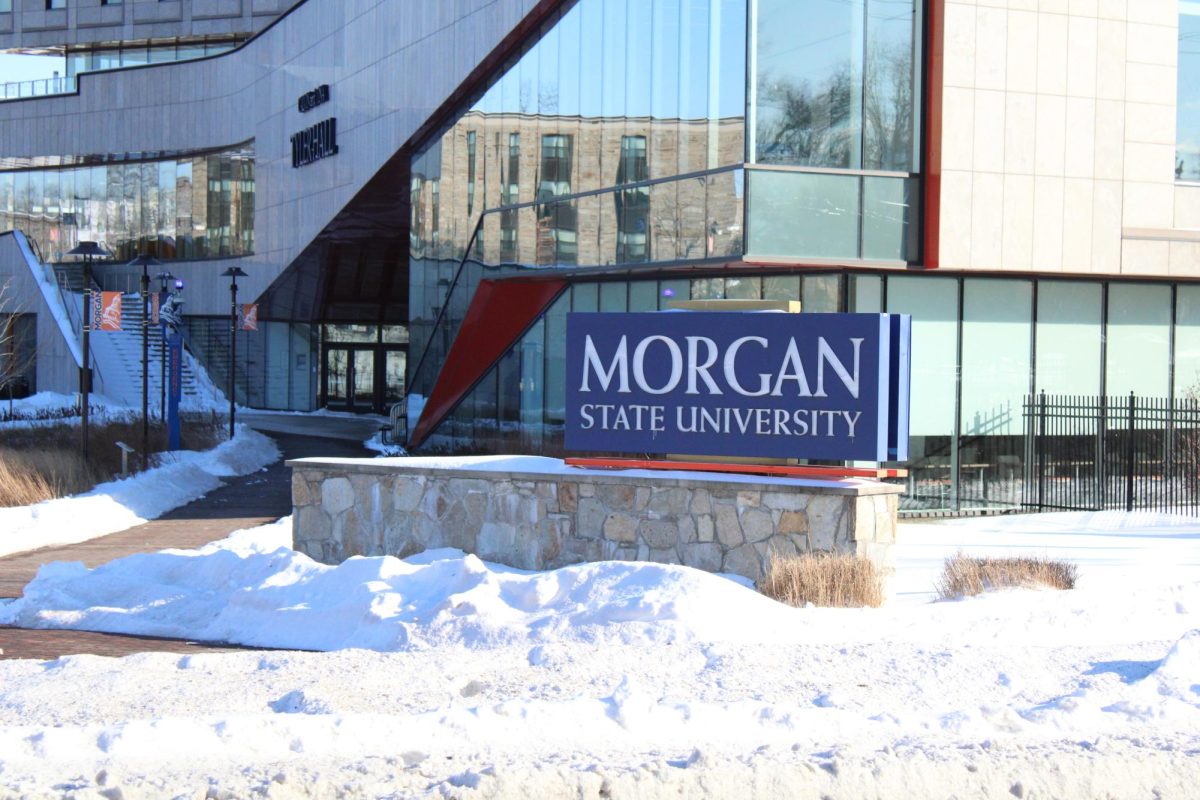
Although the university remained operational, students said icy streets, transportation disruptions and accessibility concerns would have complicated a full return to face-to-face instruction for both commuters and those living on campus.
“I think it was the right decision considering the condition of the roads,” said Naomi
Williams, a senior multimedia journalism major who lives in Enolia, an off-campus apartment complex near the university.
“The roads are still icy, and it would have been way more inconvenient and unsafe to come to campus.” 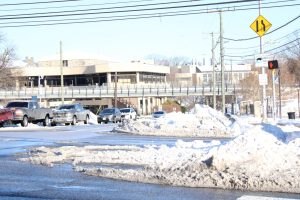
Williams said while she supported the move to virtual instruction, the sudden transition posed challenges for faculty.
“Classes had just reopened, and professors were still getting to know their students,” she said.
“Having to shift to virtual that quickly was probably hard for them, but it was still something that had to be done.”
Williams, who works as a desk assistant at Enolia, said residents were largely able to access food and basic necessities despite limited options following the storm.
“There’s a grocery store right next door, and most people shopped before the snow fell,” she said.
“But after the storm, the stores were pretty much wiped out, and it was harder to get to places. Still, people have food, the heat is fine, and residents are doing OK.”
On campus, students said dining access remained available but was less convenient because of reduced hours.
Raven Johnson, a freshman marketing major and Miss Freshman for the Class of 2029 who lives in a residence hall, said the storm was a new experience.
“I’m from Texas, so we don’t really get snow,” Johnson said.
“Seeing piles of snow everywhere was something I’ve never experienced before. It was kind of surreal, but it was also fun being around my friends and spending time together.”
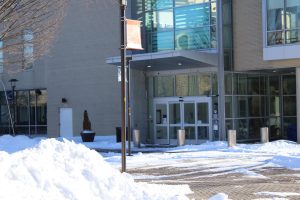 Johnson said the university’s decision to remain virtual reflected the conditions students continued to face days after the storm.
“I still look outside and see cars stuck in the snow, and some people don’t have access to their cars or the ability to get to campus,” she said.
“So going virtual was definitely the safest option, especially for commuters.”
During the closure, Thurgood Marshall Dining Hall operated on a modified brunch schedule from Wednesday through Sunday, serving brunch from 10:30 a.m. to 2 p.m., late brunch from 2 p.m. to 4 p.m., and dinner from 4 p.m. to 8 p.m.
The Grid was open from noon to 7:30 p.m., while all other dining locations remained closed.
Johnson said while food was accessible, the limited hours required students to plan ahead.
“It’s a lot more convenient when the dining hall is open throughout the day,” she said. “With brunch hours, you can miss a time if you’re sleeping, in class or doing something else. It wasn’t impossible to manage, but it was definitely less convenient.”
University President David K. Wilson said the decision to close the physical campus and transition to virtual instruction was made with safety and staff well-being in mind.
In a message to the campus community, Wilson cited a “winter trifecta” of snow, sleet, ice and extreme cold that placed strain on campus operations and essential personnel.
“One of the reasons we made the difficult but necessary decision to close campus operations and transition to virtual instruction and business operations for the remainder of the week was to give our essential teams time to rest, recover and recharge,” Wilson said.
Wilson also thanked essential employees who remained on campus throughout the storm to clear walkways, prepare meals, maintain safety and keep critical facilities operating.
“As we prepare to fully reopen campus, I extend my heartfelt appreciation to everyone who has been on the front lines caring for our National Treasure, Fair Morgan,” Wilson said.