For Monisa Freeman and Calvin Baker, seeing and saying something early helped them manage and beat cancer.
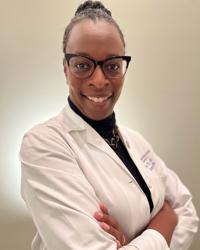
Freeman, 53, a 10-year breast cancer survivor, discovered the first lump in her breast when she was 14, though she was not officially diagnosed with the disease until 2015 in part because health insurance was slow to cover screenings.
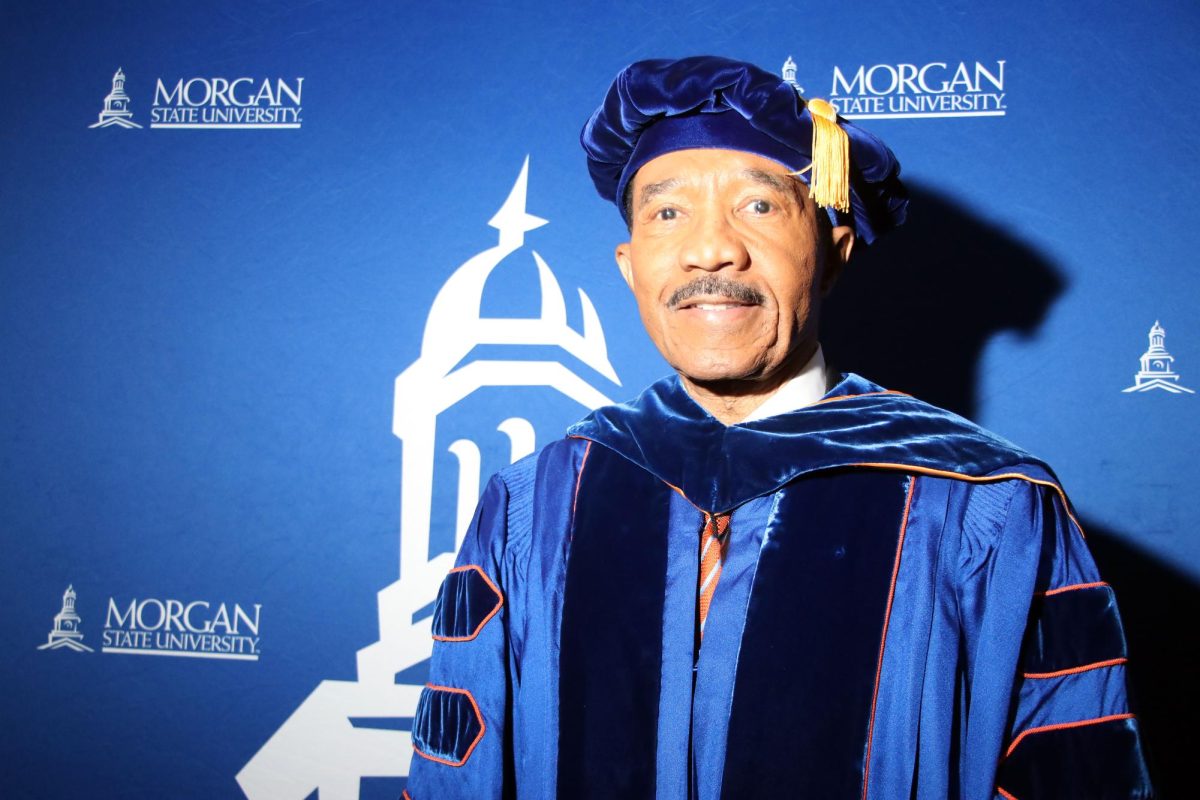
Meanwhile, Baker, a retired FBI analyst, noticed a change in his urine pattern in the middle of 2024. Within a month, he was diagnosed with prostate cancer. By the end of the year, he was in remission.
While there are challenges, experts say stories like Baker’s and Freeman’s are possible provided the patients get to the right places early enough.
“In an ideal world, everybody undergoes routine screening when they reach a certain age, and that you’re able to detect cancer at the earliest stage possible, because detecting it at the earliest stage possible leads to a more effective intervention where you have an outcome, hopefully live a life cancer-free, if you’re able to treat it, or in a way that’s manageable,” said Arti Patel Varanasi, a cancer researcher and CEO of Advancing Synergy.
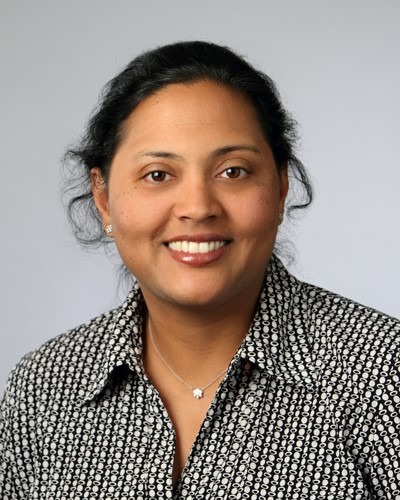
(American Cancer Society)
The Spokesman will examine the effect of cancer on the Morgan community, from the student body to faculty, staff, administrators, and alumni in its Black Health Matters: Cancer on Campus series.
Spokesman managing editor Karla Daniels reports on the positives and potential setbacks associated with cancer screenings.
This student’s story is the product of a semester-long reporting project from the MMJN 350 class of the Multimedia Journalism department of the School of Global Journalism and Communication.