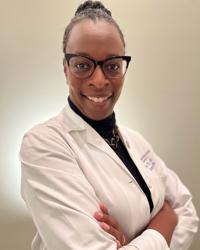
During the 2025-26 academic year, the Spokesman will examine the effect of cancer on the Morgan community, from the student body to faculty, staff, administrators, and alumni in its Black Health Matters: Cancer on Campus series.
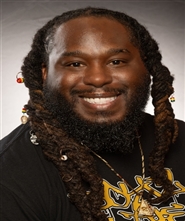
David Fakunle is a public health professional and assistant professor at Morgan State. He holds a doctorate from the Johns Hopkins University Bloomberg School of Public health.
In this discussion, Fakunle shares insights on cancer treatment, patient communication, and the importance of understanding health beyond the physical.
Note to readers — What follows is a transcript of the interview between Brianna Ndikum and David Fakunle, which has been edited for clarity and length. The transcript was produced by use of artificial intelligence through Microsoft Word and accurately and fully represents the conversation between the interviewer and the interviewee.
From your perspective as a public health professional, how would you describe the overall challenges surrounding cancer treatment today?
There are a whole bunch of disparities as it relates to cancer treatment. When it comes to the type of cancer that people may have, or the different intensities or severities, it requires more opportunities for addressing it than are available. That also depends on the resources people have. In public health, we know these disparities appear based on race, ethnicity, sex, gender, and other factors. For Black people, access to cancer treatment resources is usually not at the level of white patients. That correlates with income, wealth, and education—not because they’re Black, but because of the systems tied to being Black. It’s important to view this from a systemic standpoint: the structure of healthcare and environmental factors that cause cancer in the first place.
What are some of the most common barriers that prevent people, especially in underserved communities, from seeking early screening or treatment?
They don’t know, and they don’t have the time or resources. Often, they lack knowledge on how to look for signs of cancer or actions that reduce risks. Accessibility is another issue—whether hospitals or health centers are nearby, and if they are, the quality of care may vary. Biases and preconceived notions from healthcare providers toward Black people also play a huge role. These biases aren’t always malicious—they’re often unconscious and stem from the way medical professionals are trained. If you aren’t white and male, preconceived notions can affect the care you receive.
How does health literacy impact a patient’s ability to follow through with treatment plans or even getting diagnosed?
It makes a huge difference. If you don’t know, you don’t know. Patients often experience a power dynamic with doctors. Even as a PhD, I feel that. You rely on their “knowledge,” but that’s filtered through their context and biases. You must understand your health issues and advocate for how you feel—you are the expert on your own body. Assertiveness helps doctors better identify what’s wrong and how to treat it.
What steps can healthcare providers take to make complex medical information about cancer more understandable for patients and families?
Explain it like the patients are five years old. That’s not insulting—it means keeping it simple. True intelligence is being able to explain complex things to anyone. Scientists and medical professionals use too much jargon. Patients need to understand, especially when facing something as serious as cancer. Keep language simple—most health communication should be at a sixth-grade reading level. People can understand complex things if explained clearly. Relevance is also key—make it meaningful so people internalize the information.
How does mental health play a role in how people respond to or cope with cancer treatment?
Mental health dictates everything. First comes the shock of the diagnosis. Both my parents had cancer—my father prostate cancer, my mother breast cancer. They had to accept it and decide how to approach it. My father didn’t want pity; that’s cultural too—he’s Nigerian, raised to appear strong. My mother had to face the fact that she was battling the same disease that killed her mother. Mental and emotional healing came through purpose and family support. There’s a clear connection between mental, emotional, and physical health—keeping your mind and spirit strong supports your body’s healing.
You mentioned medical professionals often rely on jargon. Besides education, why do you think there’s such a gap between how doctors communicate and how patients understand them?
Doctors spend decades in education—undergrad, medical school, residency, sometimes fellowships. My sister’s a urologist; she’s been in school most of her life. The more educated you get, the more specialized your language becomes. But ego plays a role too—many doctors unconsciously tie their intelligence to their education and resist “dumbing it down.” Training programs don’t emphasize how to communicate complex information clearly. Understanding brings comfort to patients—it’s not about sugarcoating, but making sure they truly get what’s happening.
Do you think the healthcare system is doing enough to train providers to communicate clearly with patients?
No—and doctors will admit that. The structure of medical school doesn’t prioritize communication. Some schools promote medical humanities, which blend medicine with empathy and storytelling. Storytelling is essential—it reminds both doctors and patients of their shared humanity. Doctors often have limited time, but storytelling is efficient. It can make patients feel seen, understood, and cared for, not just treated.
From a public health standpoint, what’s the biggest challenge in encouraging people to get screened for cancer?
Knowing that you can get cancer. Many young people, especially at HBCUs, think cancer is a distant concern. It takes time to develop, so 20-year-olds struggle to picture their 50s or 60s. But early detection is everything. If caught early, most cancers—breast, prostate, colorectal—can be treated. Cancer is no longer an automatic death sentence. My father’s stage 4 prostate cancer should have killed him, but he’s alive. The issue is early detection and access to affordable treatment. Healthcare should be a right, not a privilege.
What would you say to someone who feels like a cancer diagnosis automatically means the end of their life and goals?
Mindset matters. My father took time to accept it, then said, “Okay, what do we do?” My sister, a urologist, helped guide his treatment and found better options than what he was first offered. Advocacy and second opinions are vital—never rely on just one doctor. You must decide if you want to live. My father compared his experience to Chadwick Boseman’s, who passed away younger and at an earlier cancer stage. Ultimately, it’s about willpower, family support, and deciding that life is worth fighting for.
How has the COVID-19 pandemic changed how people view health, prevention, and medical communication?
People distrust it even more. COVID was most people’s first introduction to public health, not medicine. Public health can feel paternalistic—experts telling people what to do. That dynamic, mixed with historic mistreatment of Black people in medicine, worsened distrust. The history is real—people have been exploited by these systems. The key now is humility—understanding why people don’t trust healthcare isn’t irrational; it’s historical.
With so much information online, why do you think there’s still so much distrust in the healthcare system among Black and minority communities?
History. Stories like Henrietta Lacks and the Tuskegee Syphilis Study shaped generational distrust. Technology and misinformation also make it hard to know what’s real. Trust takes time to build. Many people of color have few or poor experiences with healthcare providers, which reinforces that mistrust. Everything moves at the speed of trust—and that requires humility and consistency from health professionals.
How is the public health field addressing generational differences in understanding medical advice, especially between younger and older patients?
We’re trying. Everything comes down to context and relevance. For young people, make it relatable—and ask them what matters to them. The best solutions often come from the people we serve. Creating space for different generations to share their perspectives helps bridge those gaps.
From a policy perspective, what changes would make cancer care more affordable, inclusive, and accessible?
Universal healthcare. Point blank, period. That alone would address so many of these disparities.
What message would you give to someone fearful after a cancer diagnosis or discouraged during treatment?
You’re not alone. Find connection if you need it. If you have reasons to live, pursue them. Cancer isn’t a death sentence—it doesn’t have to be. Like HIV and AIDS, we’ve reached a point where survival and quality of life are possible. You just have to believe it’s worth fighting for.
Brianna Ndikum is a senior in the multimedia journalism department in the School of Global Journalism and Communication at Morgan State University. This article is a product of her work in MMJN 350, a practicum class.