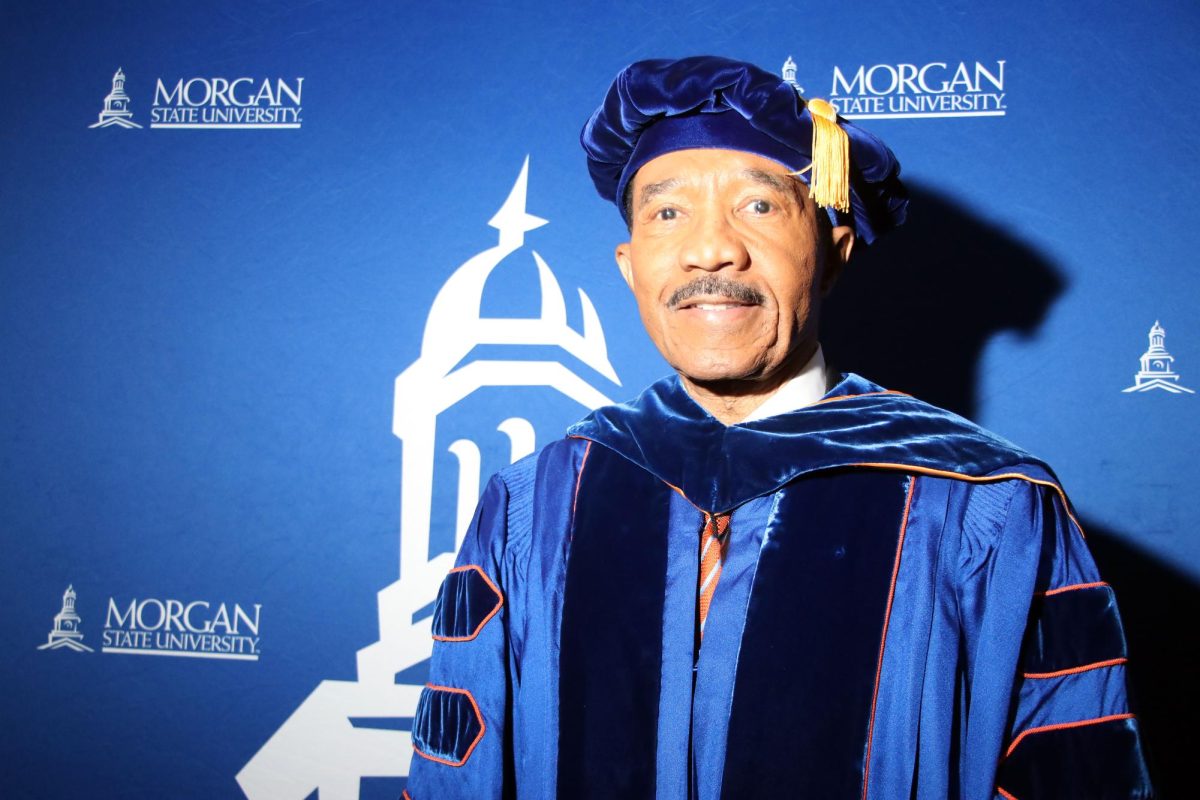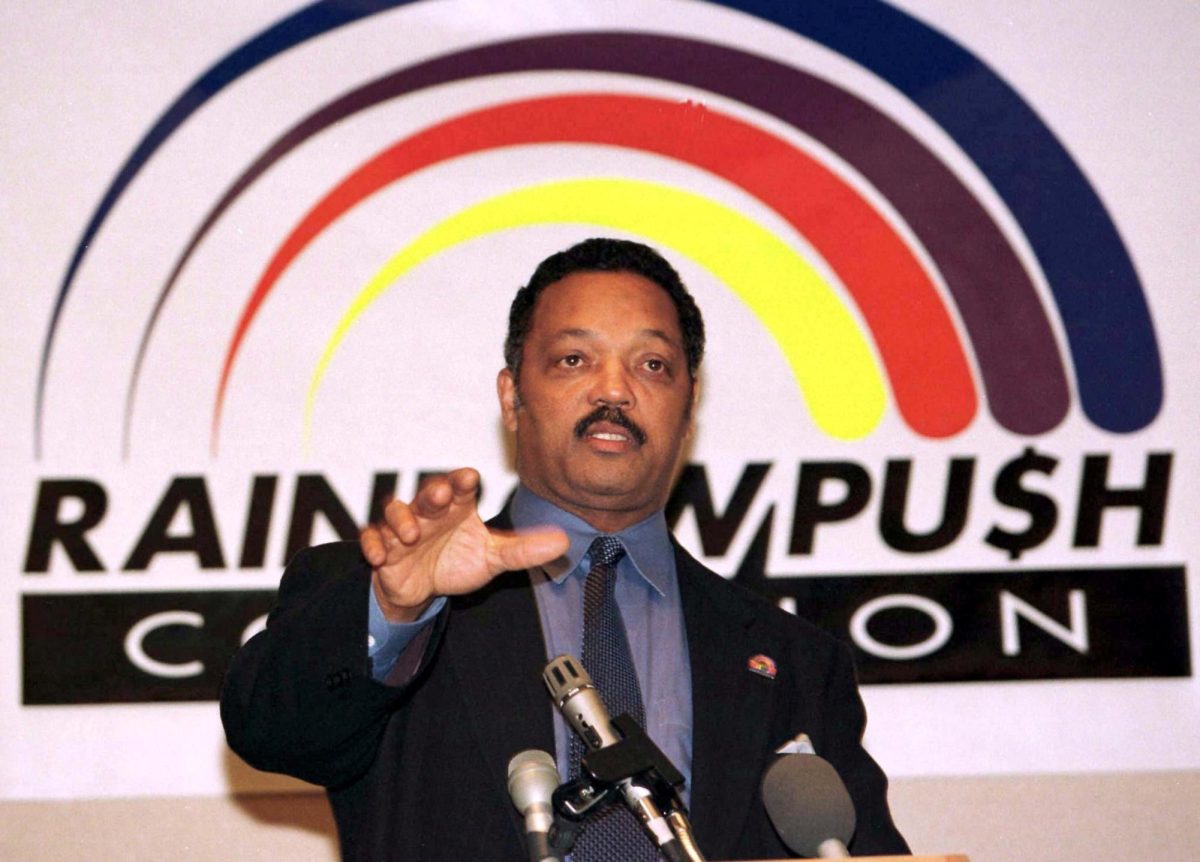
For Yolanda Seabrooks, director of strategic partnerships in the Office of the Provost, the legacy of late Rev. Jesse Jackson is both historic and deeply personal.
Seabrooks recalled meeting Jackson as a child, including when her mother took her to meet him at a 1988 presidential campaign rally in New Jersey.
While some memories faded she remembered him picking her up, kissing her on the cheek and saying, “who is this pretty little baby?”
“I was inspired by him because he picked up a really important mantle that was left when we lost Dr. King,” said Seabrooks.
“I actually see the void today where we don’t have a leader that really is speaking for the African American community. I think Rev. Jackson played a key role after Dr. King’s death to make sure civil rights wasn’t forgotten. It wasn’t the end of the struggle.”
Jackson, a towering figure in the civil rights movement, ordained Baptist minister and protégé of the Rev. Dr. Martin Luther King Jr., died Tuesday morning following an extended illness.
He was 84.
He spent more than six decades advocating for civil and human rights and economic justice.
“We lost a political and cultural icon that is on the scale of Michael Jackson,” said Jason Johnson, a multimedia journalism professor at Morgan State.
“Jesse Jackson wasn’t just someone who ran for president. He was a link to the civil rights movement … and an incredible political organizer who galvanized the entire country, not just on race, but on class issues in a way that no candidate prior to him had done,” said Johnson.
He later joined King’s inner circle during the 1965 Selma-to-Montgomery voting rights marches and remained a close organizer until King’s assassination in 1968.
A two-time Democratic presidential candidate, Jackson is widely credited with helping pave the political path for Barack Obama, the nation’s first Black president.
His work with the Rainbow PUSH Coalition also reshaped Democratic political strategy by uniting historically marginalized communities, including LGBTQ+ Americans.
Johnson said Jackson’s influence extended beyond electoral politics.
“He was an incredibly effective hostage negotiator, and he often leveraged hostility against the United States and his own identity as a member of an oppressed group in order to get individuals free,” said Johnson.
Morgan State University President, David Wilson reflected on Jackson’s personal and institutional impact in a statement to the university.
“Rev. Jackson’s life’s work was deeply aligned with the mission and values of Morgan State University and with the historic role of HBCUs in advancing opportunity and justice,” said Wilson.
“I felt a profound connection to Rev. Jackson’s life and legacy. The opportunities afforded to me and to so many of my generation are in no small measure the result of their sacrifice and moral clarity.”
Jackson visited Morgan State in 1972 to receive an honorary doctorate and again in 2015 as fall commencement speaker, marking the 50th anniversary of the Voting Rights Act of 1965.